History
The Origins
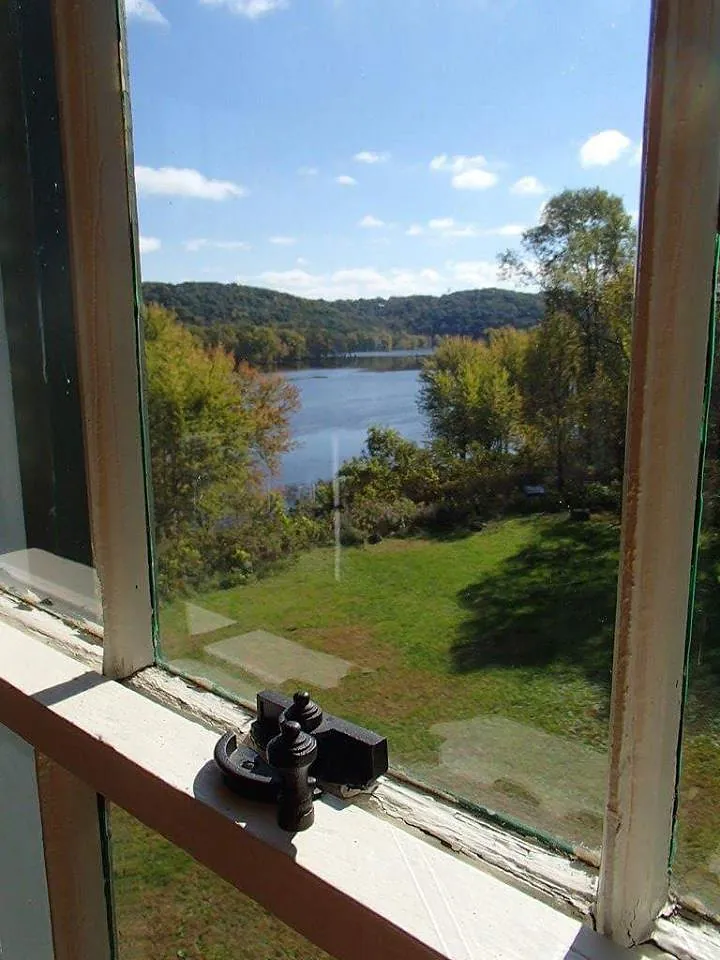
When we look at the origins, we have to go back thousands of years. The Dakota and the Ojibwe settled this area. It was their hunting ground and the river, St Criox, was their route. Archaeological excavations at Arcola Mills have uncovered artifacts that indicate that Arcola Mills was a seasonal camp for the Natives Americans who traveled the river for years. They had their hunting grounds north of Arcola Mills, and they came every winter to make many visits to the Mower house, trading their game, furs, and moccasins for flour, pork and other staples. When beavers and other game became scarce because of over-hunting, the Dakota and Ojibwe peoples faced mounting trade debts and were forced to give up their rights to harvest the vast pine forests of their lands. In 1837, they signed a treaty with the United States, opening up their land to logging in exchange for 20 years of revenues and land rights. This started the lumber era.
The Lumber Era
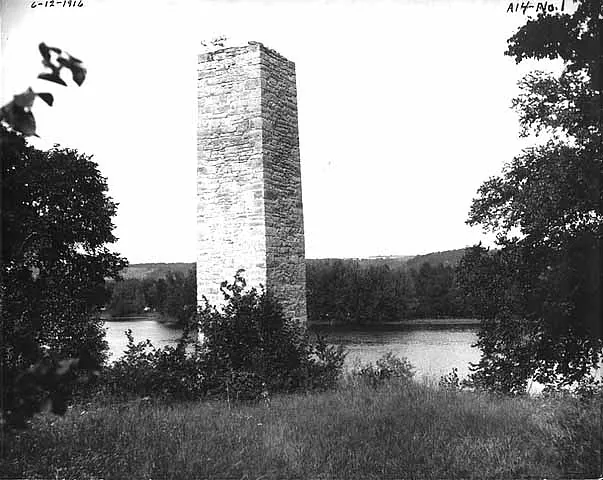
In the early 1840s, before Minnesota became a state and shortly after the founding of the first settlements in the territory (Stillwater and Marine on St. Croix), John and Gratia Mower and Martin Mower moved to the St. Croix River Valley. They sought to capitalize on the logging boom in the Midwest. They built a small saw mill which was prosperous and developed a village on the shores of the St. Croix River known as Arcola, centered on a lumber mill. The sawmill remains still stands today.
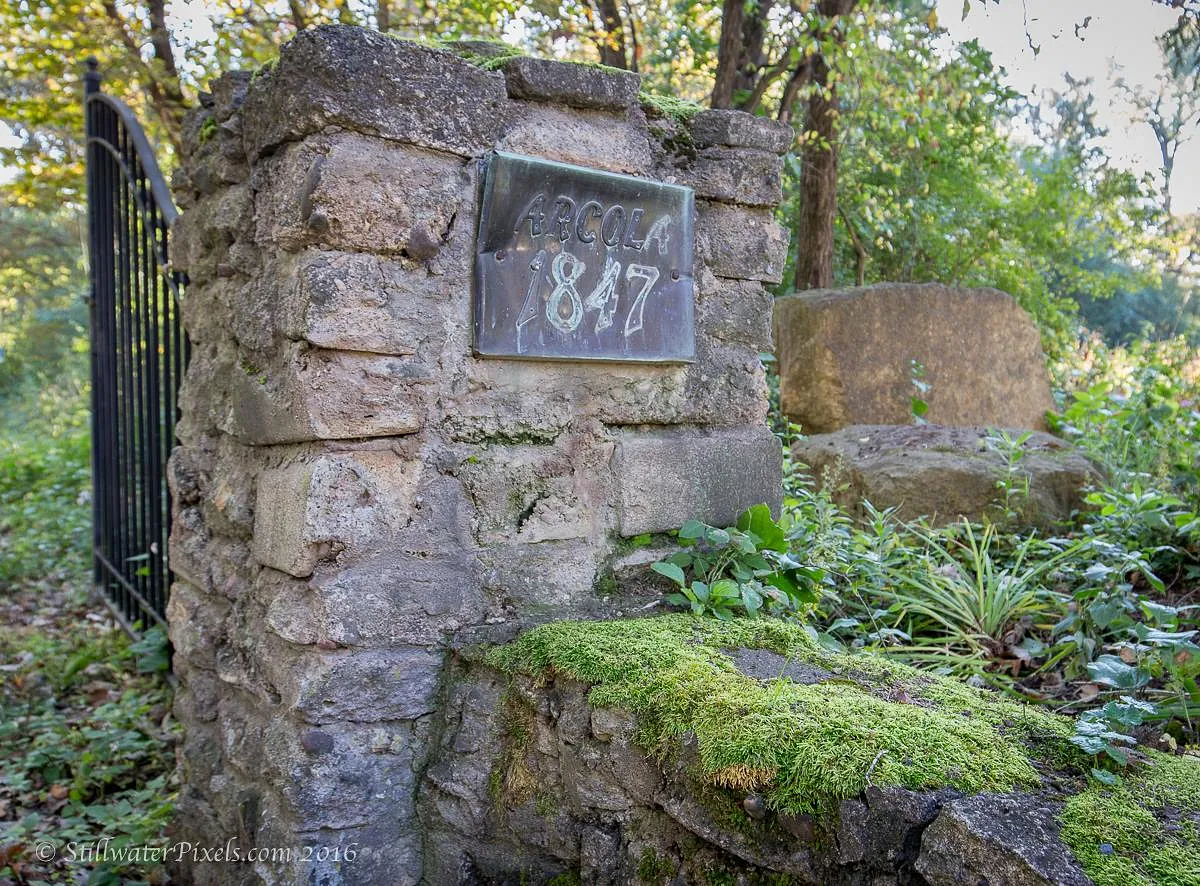
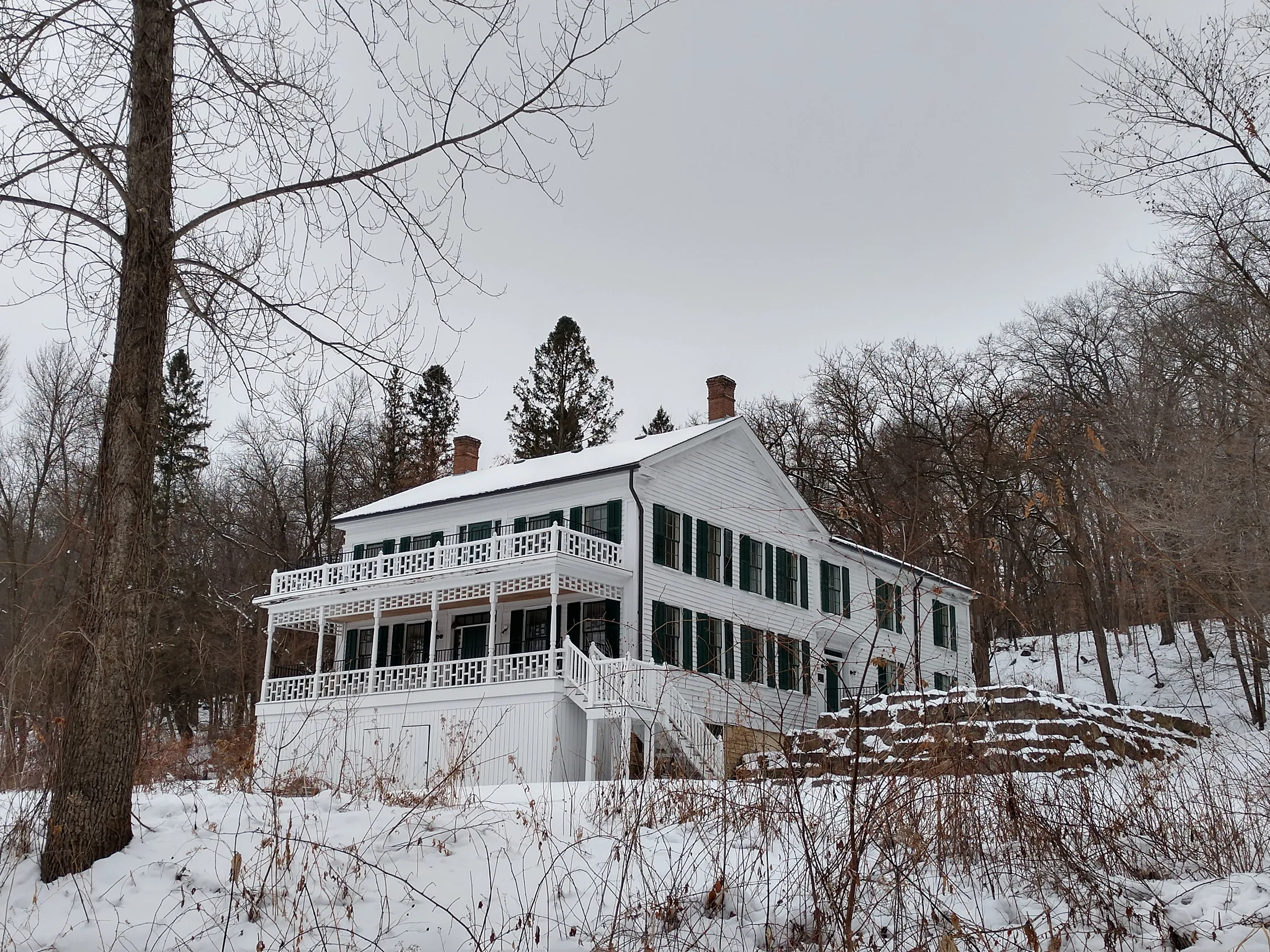
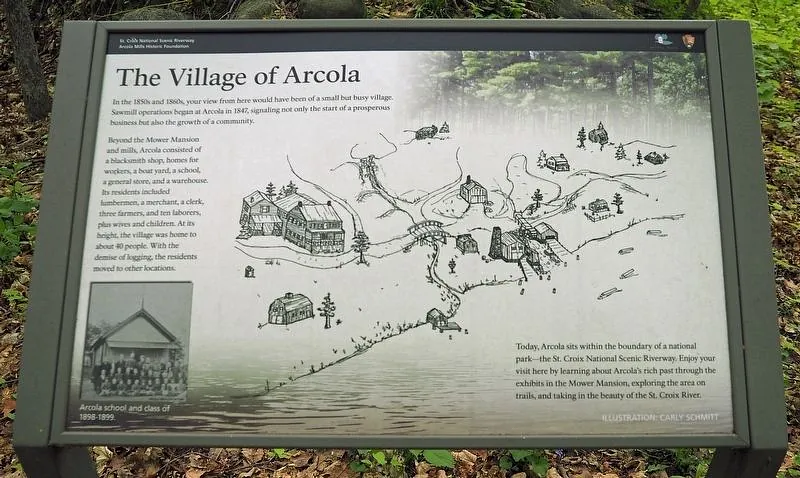
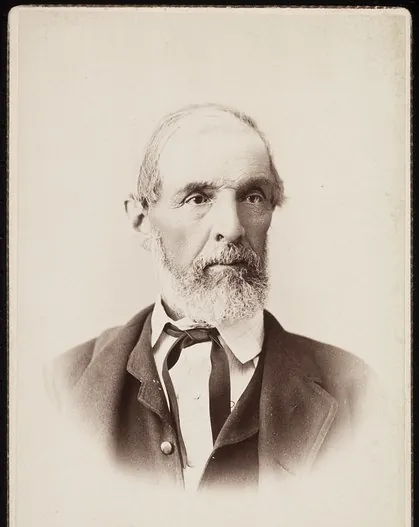
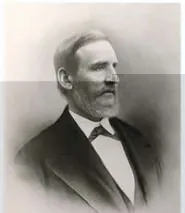
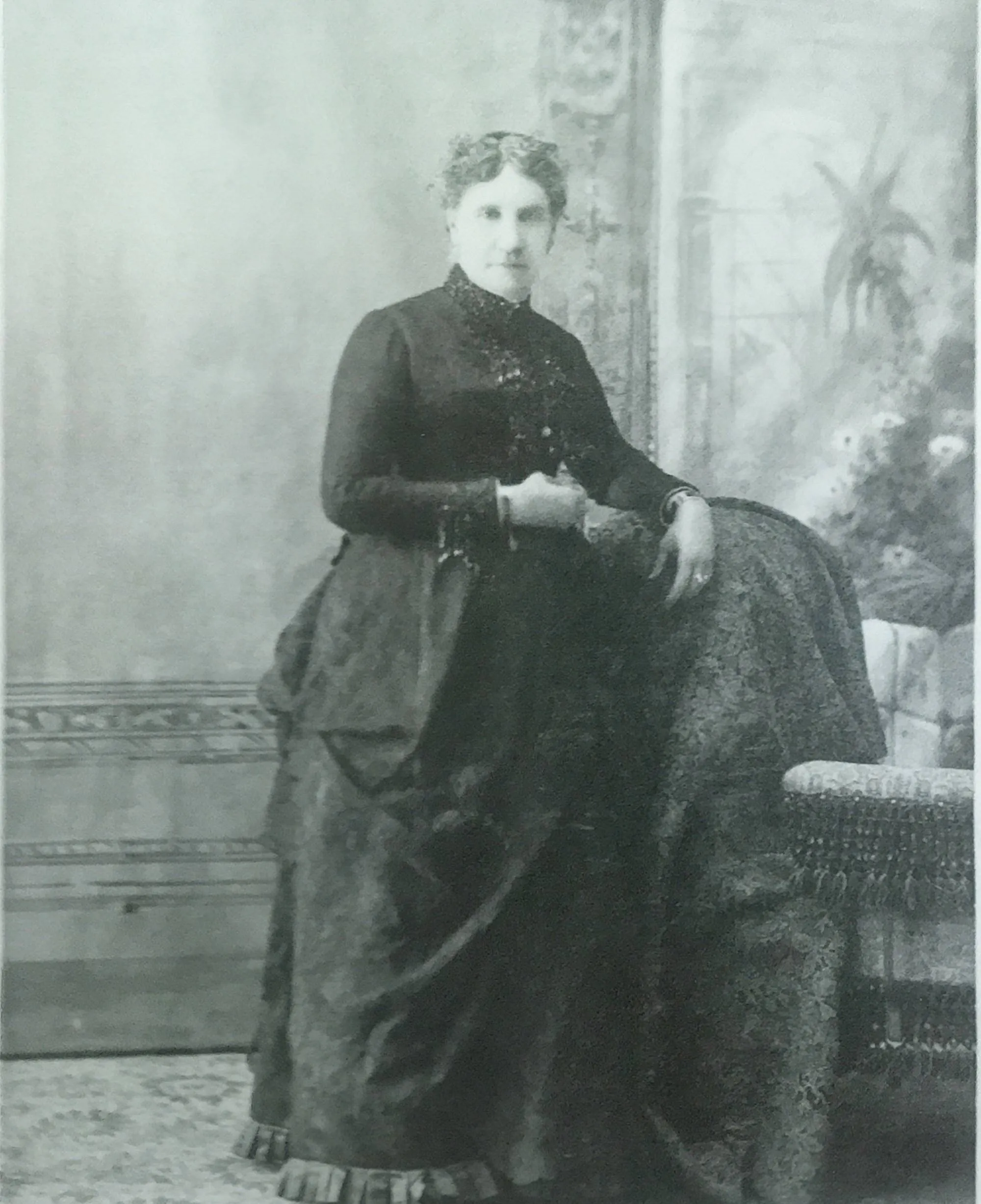
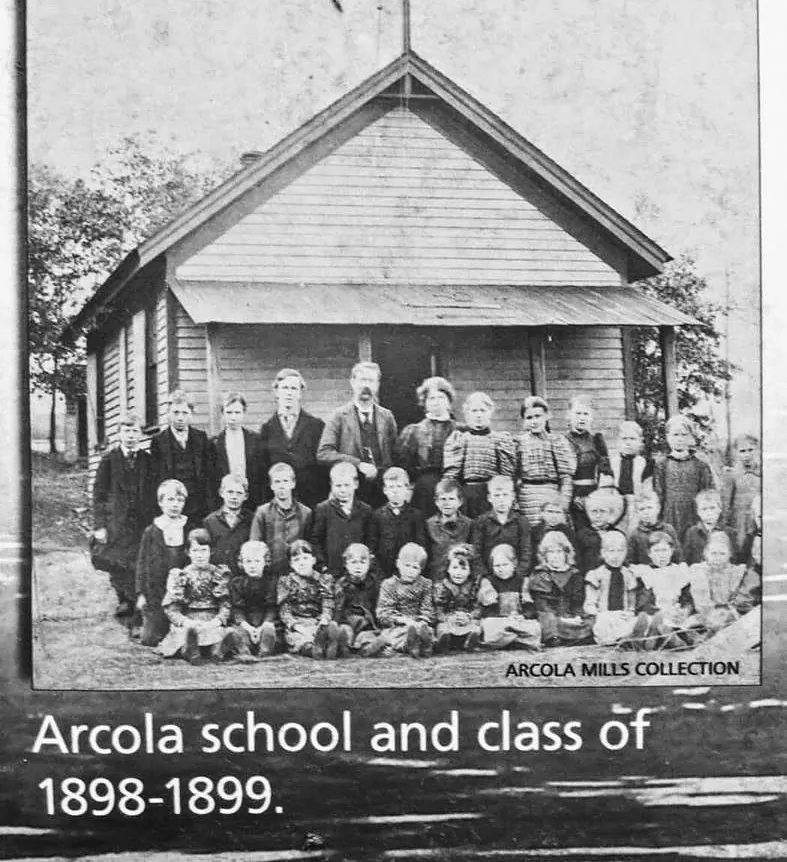
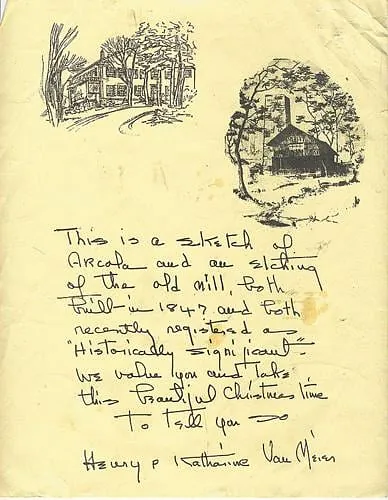
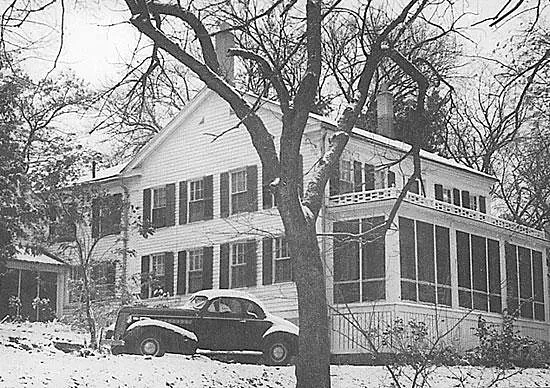
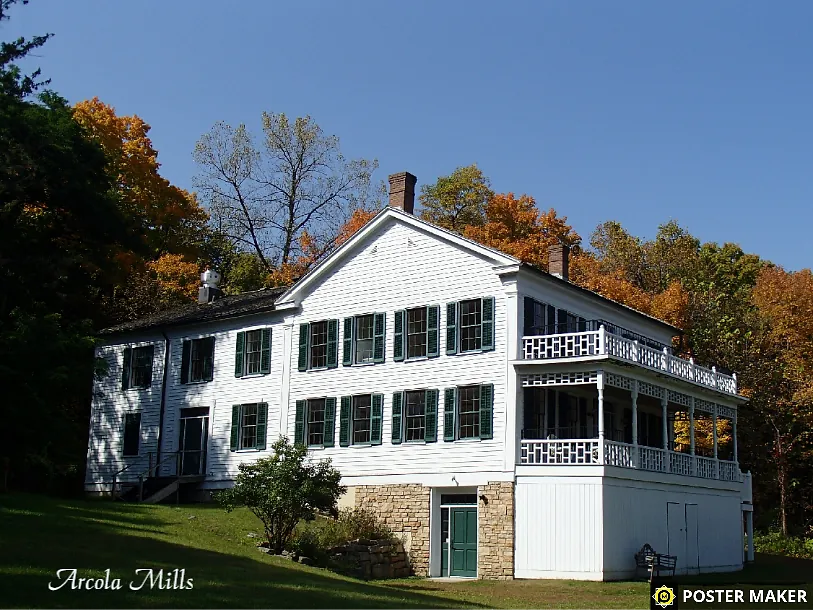
By 1847 the Mowers completed construction of a grand Greek revival-style home at Arcola Mills, followed by a general store, carpentry and blacksmith shops, a small boat-building operation, a one-room schoolhouse, and homes for the mill workers. It was an entire village in and of itself. Gratia was considered the sudo Mayor of Arcola. She had many roles which were important to Arcola's success. She was responsible for starting the school and building the schoolhouse, running the general store, trading with the native neighbors, putting on many dinner events at the house and be a full time mother.
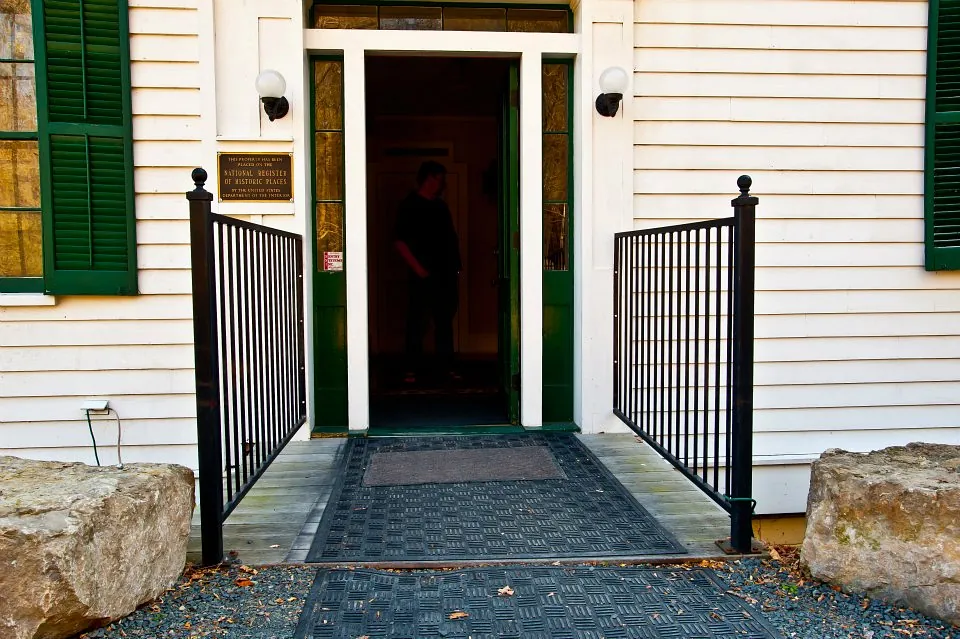
Regarded as the oldest and largest timber frame house in Minnesota, the Mower house, as well as the original Arcola sawmill chimney, are listed on the National Register of Historic Places. Cutting over one million board feet per year, legend has it that the lumber cut at Arcola Mills built the homes, villages and cities along the Mississippi River as far away as St. Louis. The lumber boom lasted only until the early 1900s. The sawmill closed and the Mower family home and surrounding village fell into disrepair.
The Mowers are noted for other accomplishments in Minnesota.
John Mower was the statesman of the two. John was a Washington County Comissioner, served in both the Territoral and the 1st State legislature, and Mower County Minnesota is named for John.
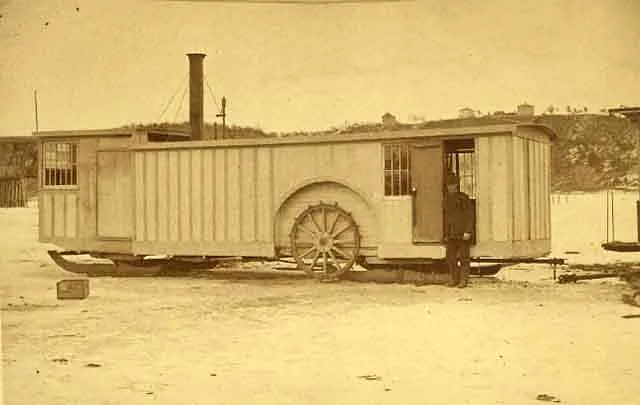
Martin was the shrud business man. He became President of the St Croix Boom Site as the largest shareholder owning 540 of the 977 shares. He also develop the first Ice Boat on the St Croix the "Queen Piajuk" named after the daughter of an Ojibwe Chief.
Gratia lived at Arcola Mills until her death in 1904.
The Revival
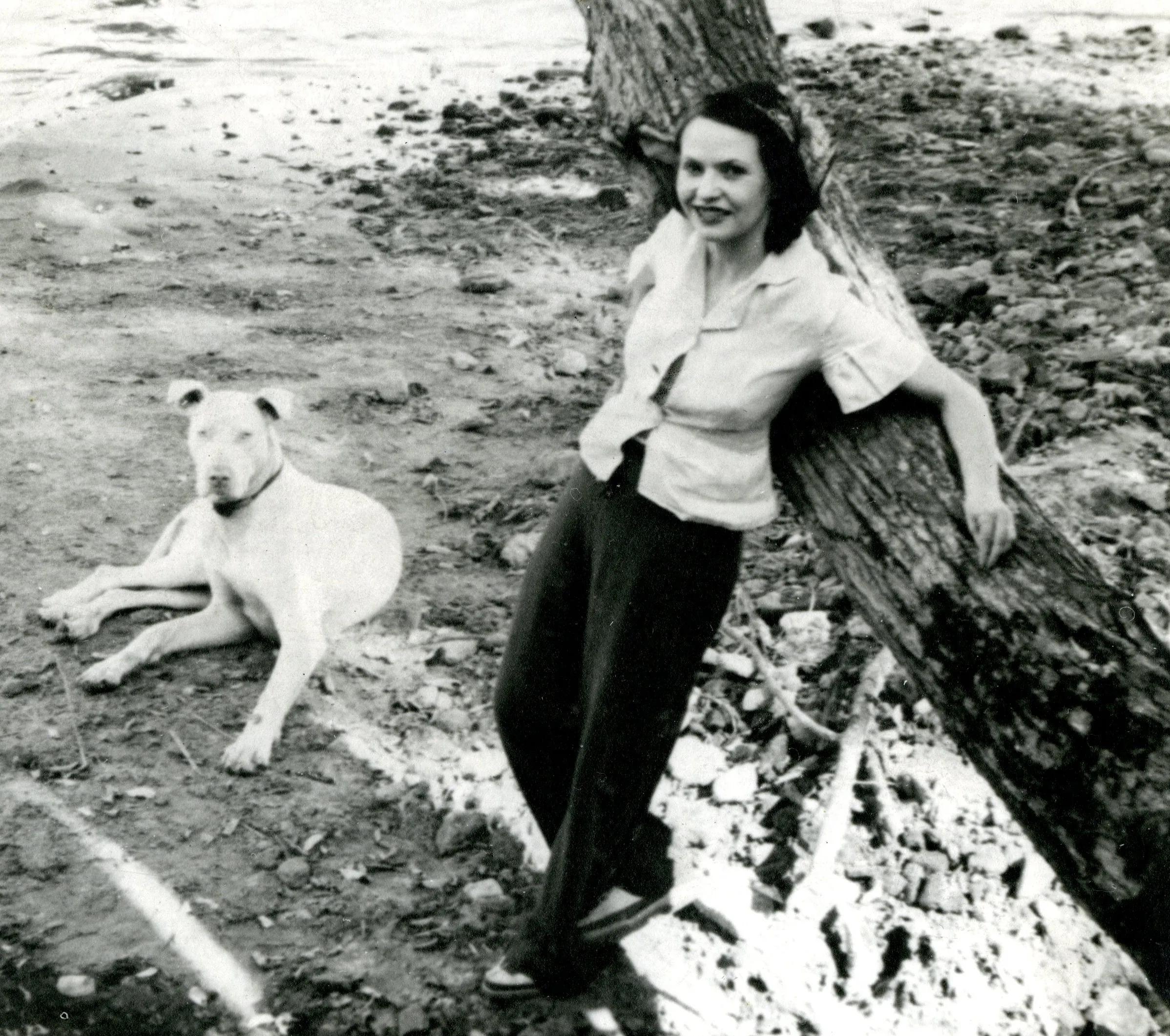
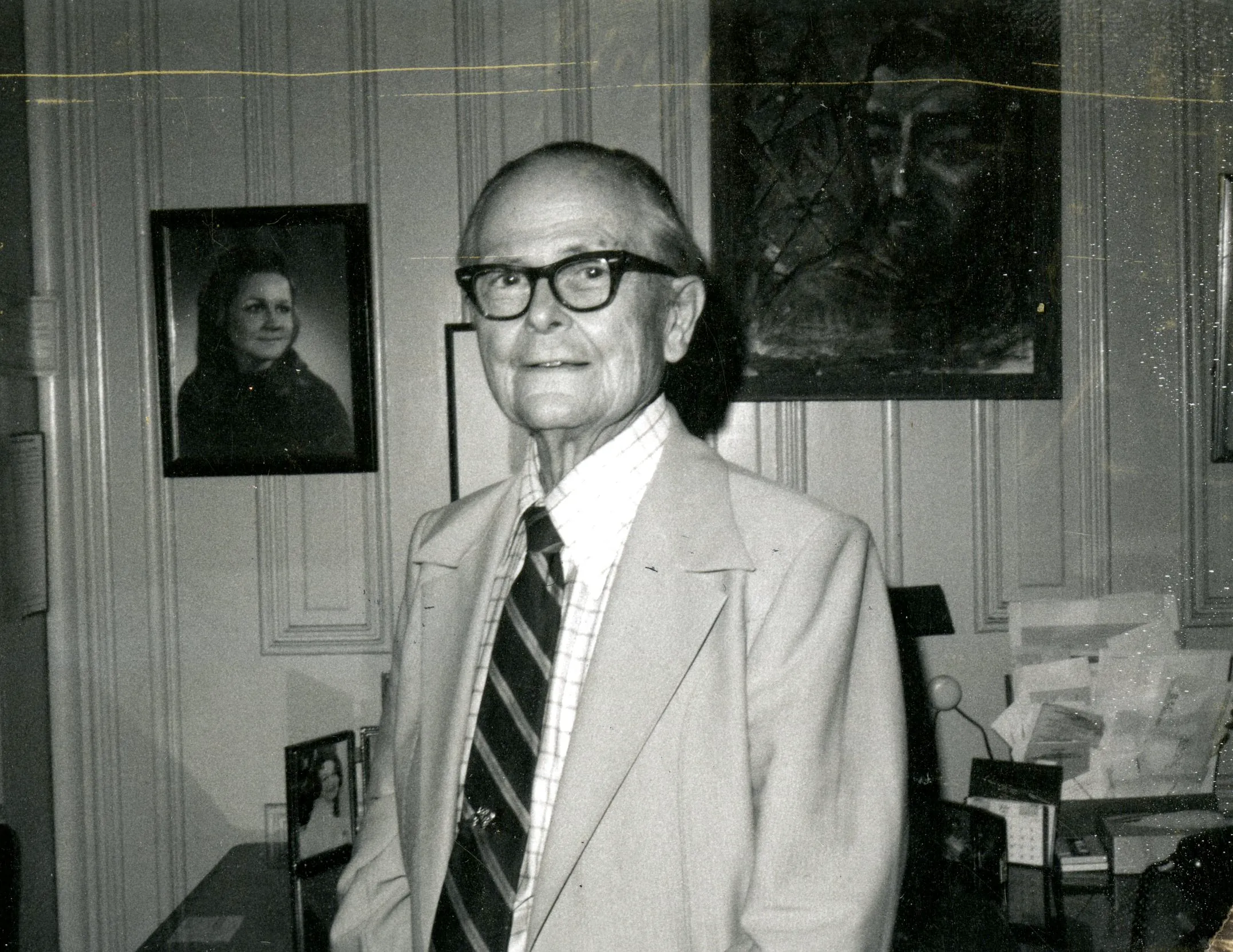
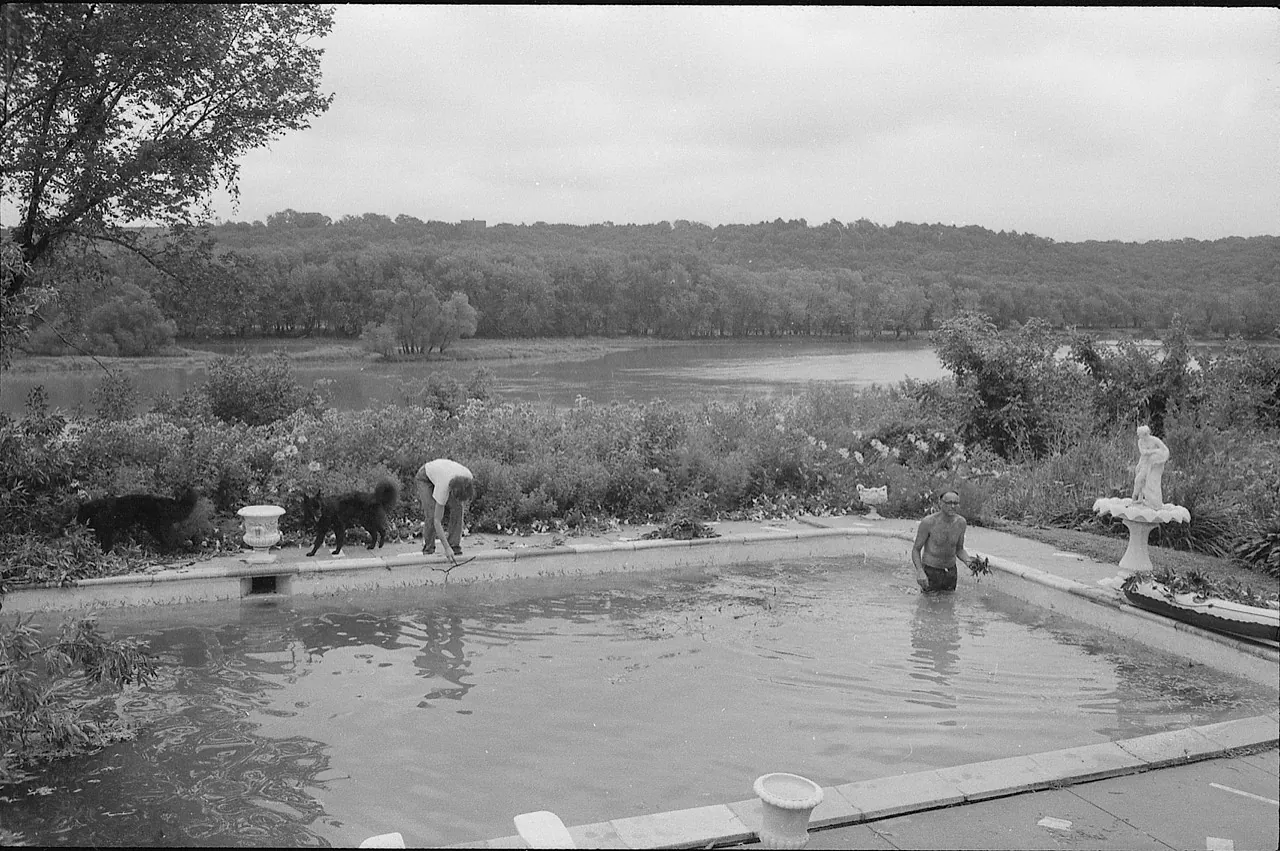
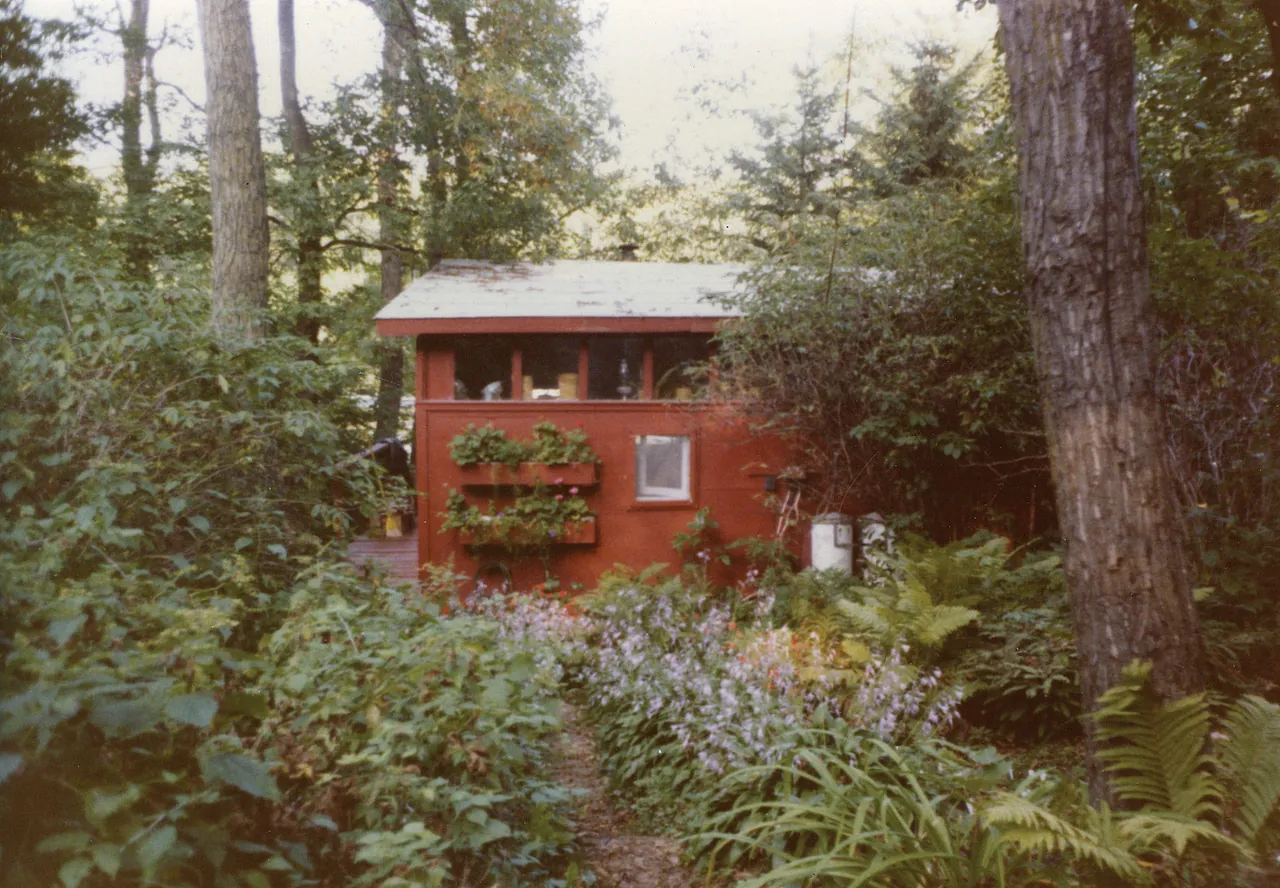
In the mid-1930s, newlyweds Dr. Henry Van Meier and his wife Katharine of Stillwater, Minnesota stumbled upon the abandoned property while hunting ferns. They knew they had to make it their own and purchased the Mower house and its surrounding 50+ acres of property on the St. Croix River. It became their summer house. Katharine was known for her magical garden parties and her support of the Arts. Henry destress while making items on his loom. They also developed a small artists' colony. Van Meiers purchased and moved 9 eclectic cottages around the property. This provided a space and inspiration from land and water for creative individuals who spent time at the property.
Katharine's description of Arcola Mills was
"a place where you can enjoy the freedom of physical, emotional, and spiritual expression"
Today
Arcola Mills is owned and operated by the nonprofit Arcola Mills Historic Foundation. Our mission is to promote understanding and involvement in the habitat of our environment. Preservation and historical stewardship of the buildings and property history, with our communities through education, volunteerism, leadership, and programing. The restoration and maintenance of Arcola Mills is made possible by generous contributions from individuals, community groups, and our sponsors. The Foundation is run by volunteers, so your contrbutions go directly to the Arcola Mills projects. Please click the Donate botton and assist us continue our mission.
CURRENT PROJECTS
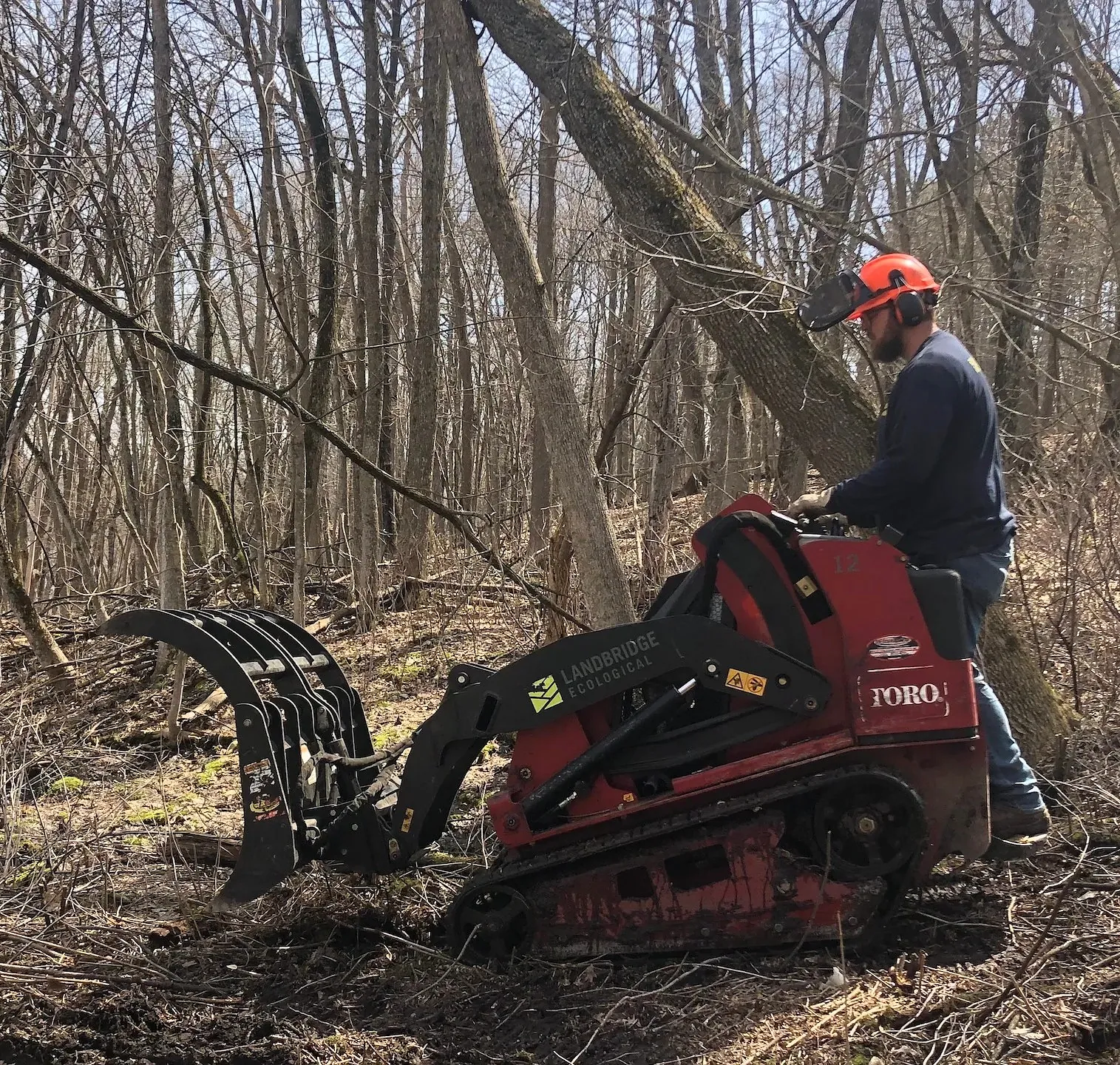
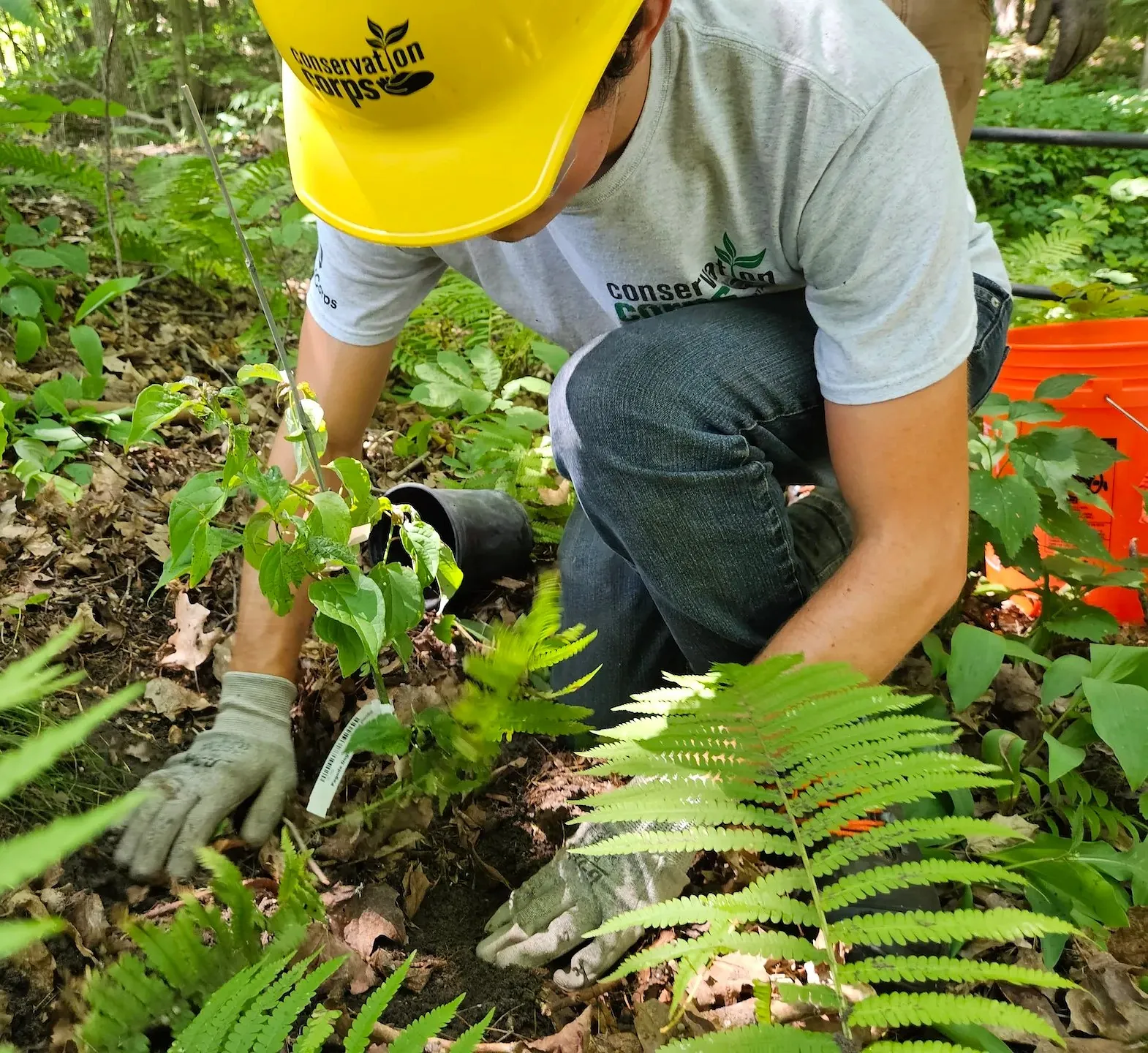
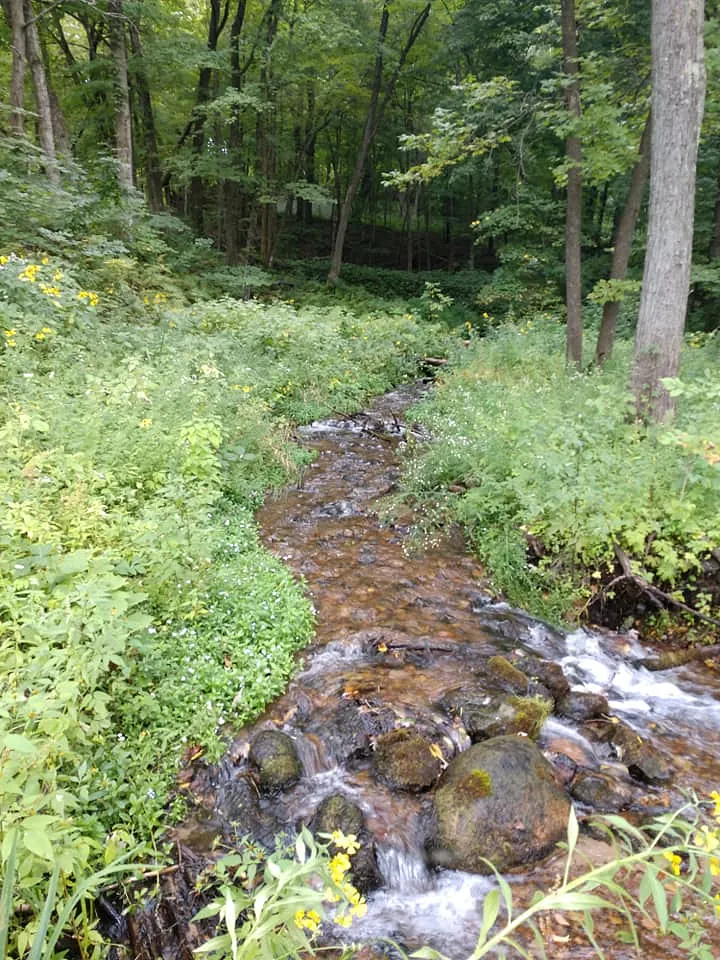
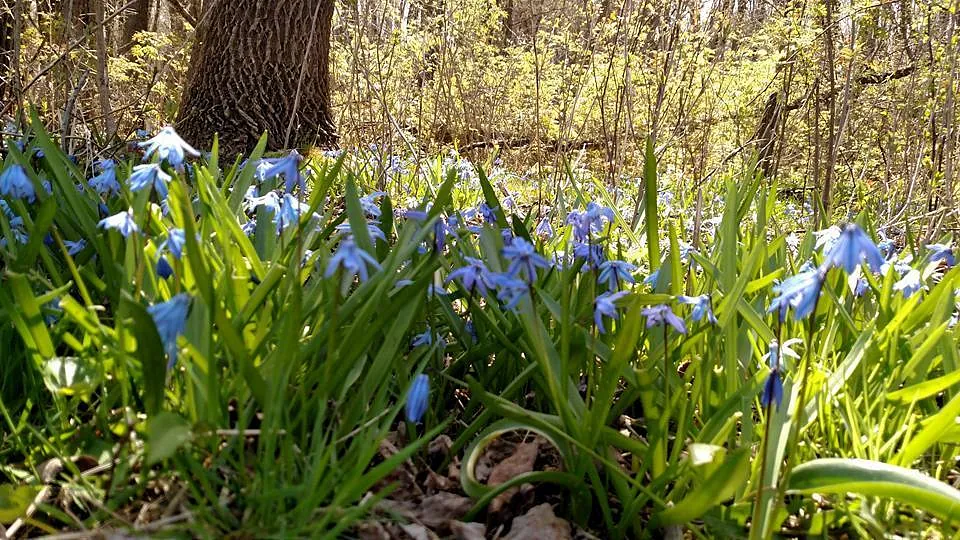
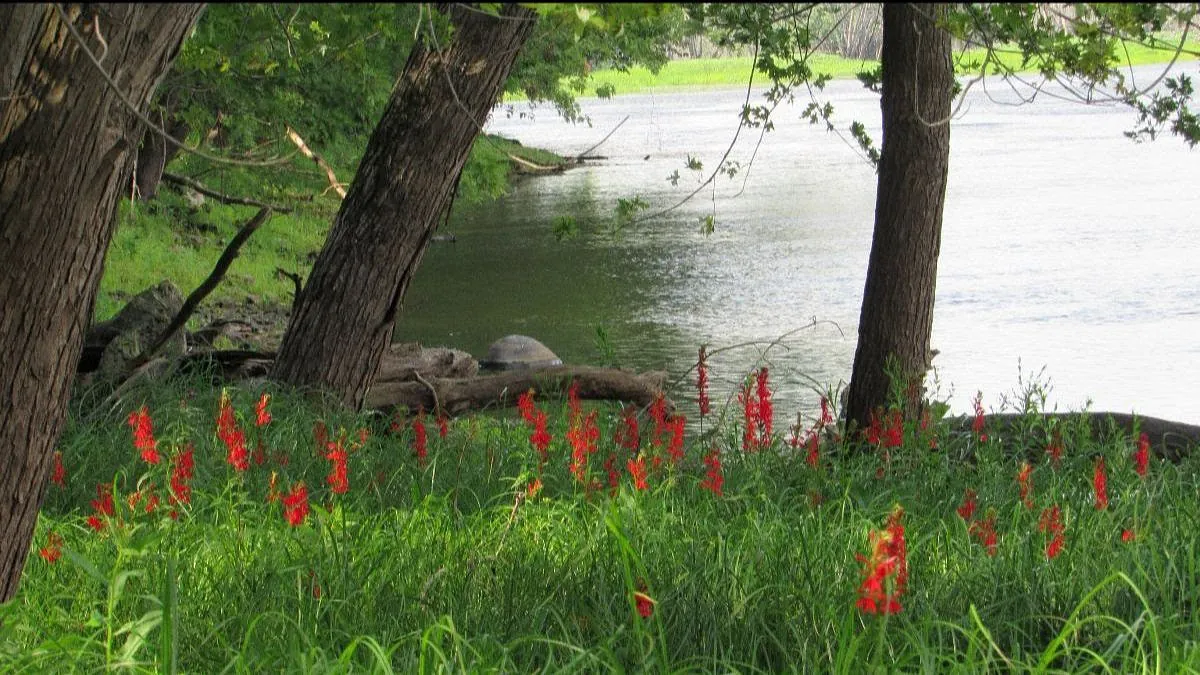
- Phase II of our Habitat Restoration. Building and planting native plant pollinator plots around the property to increase the pollinator populations. Thanks to the Help Grant.
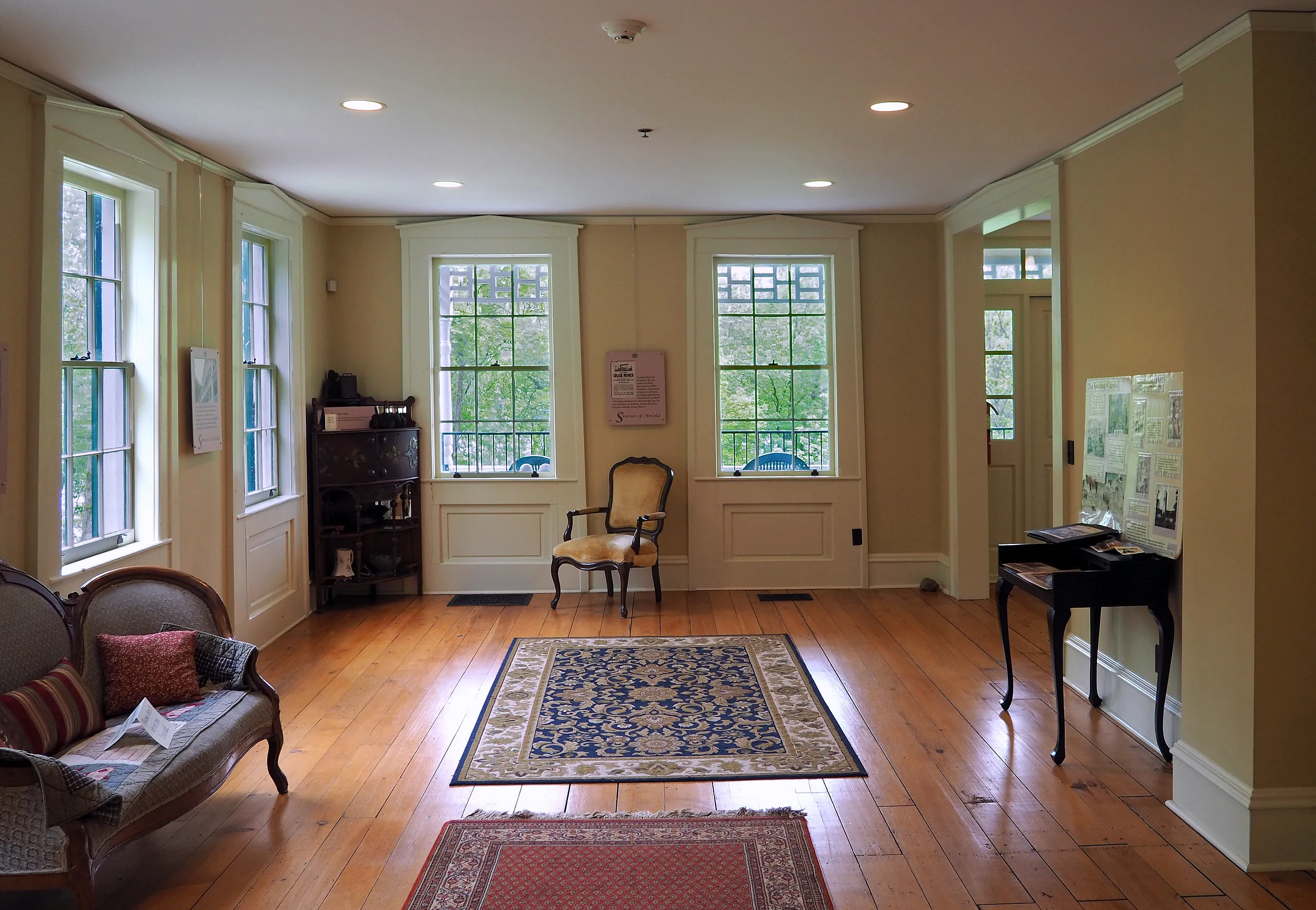
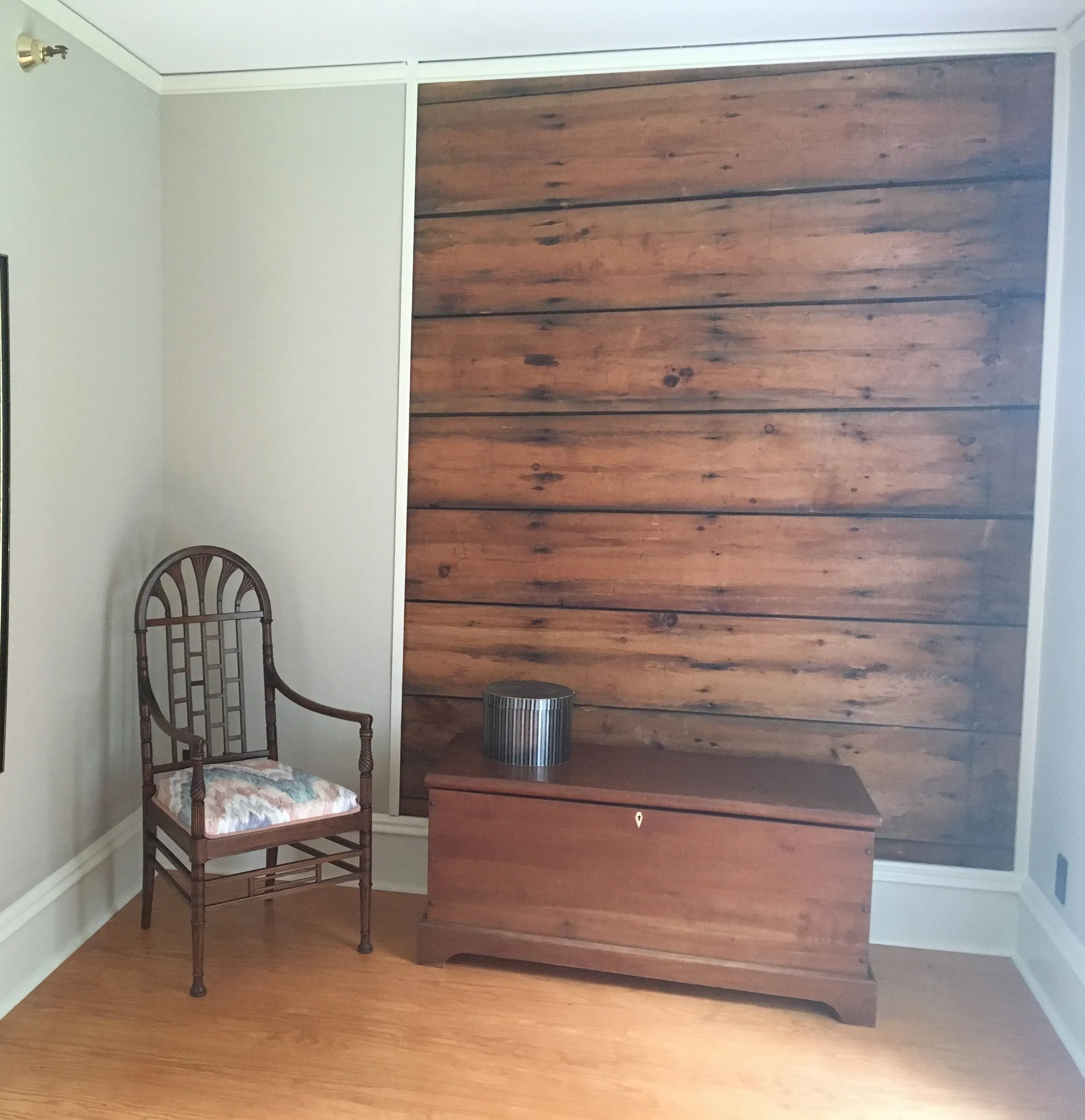
- Maintenance on the lumber-era Greek revival mansion, built in 1847. The oldest timber-frame home in Minnesota.
- Continue our cooperation with the Minnesota Landscape Arboretum - Plant Conservation Program regarding our rare and endangered plant species.
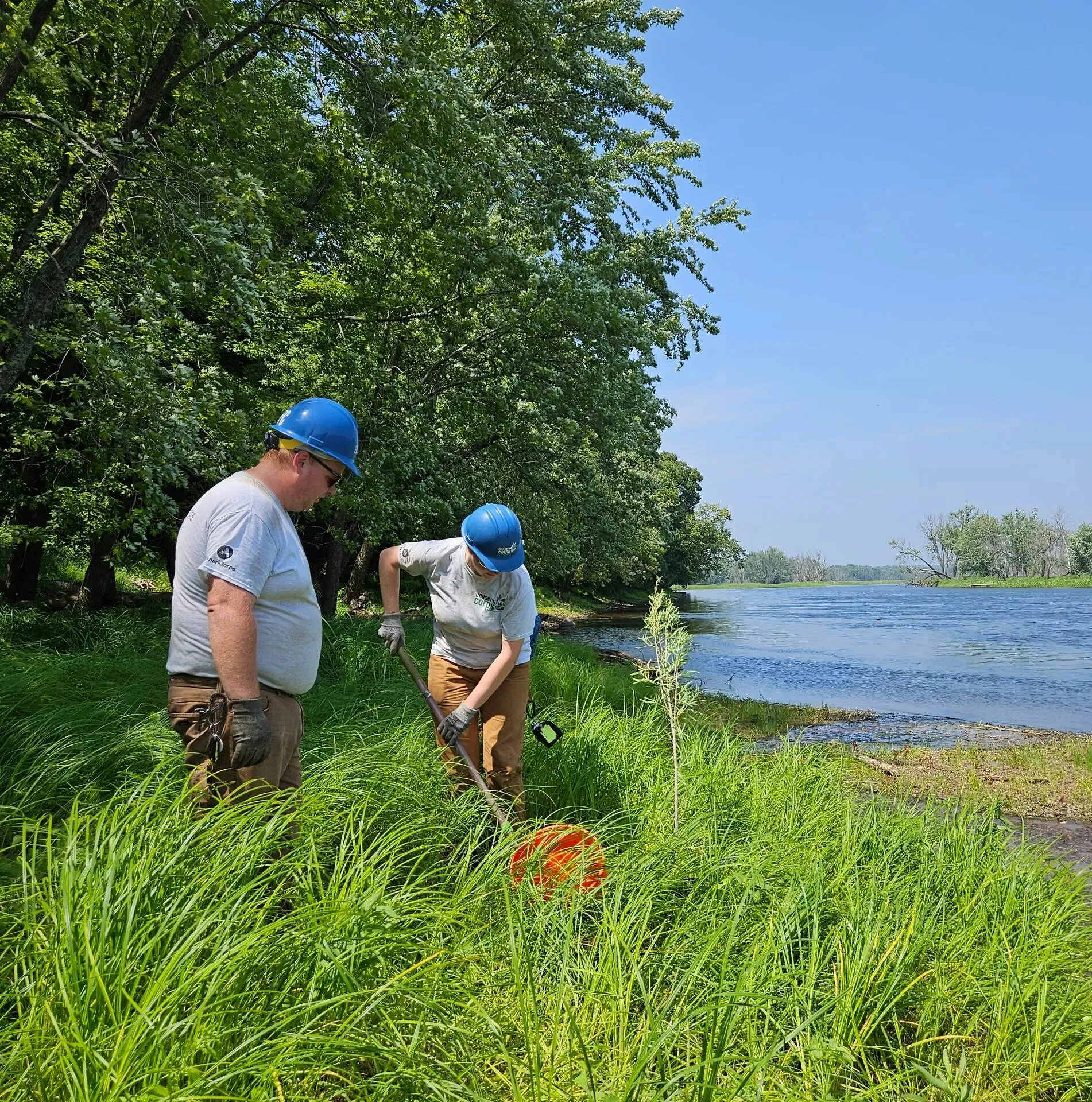
- Continue particapation in the St Croix River quality water project.
